
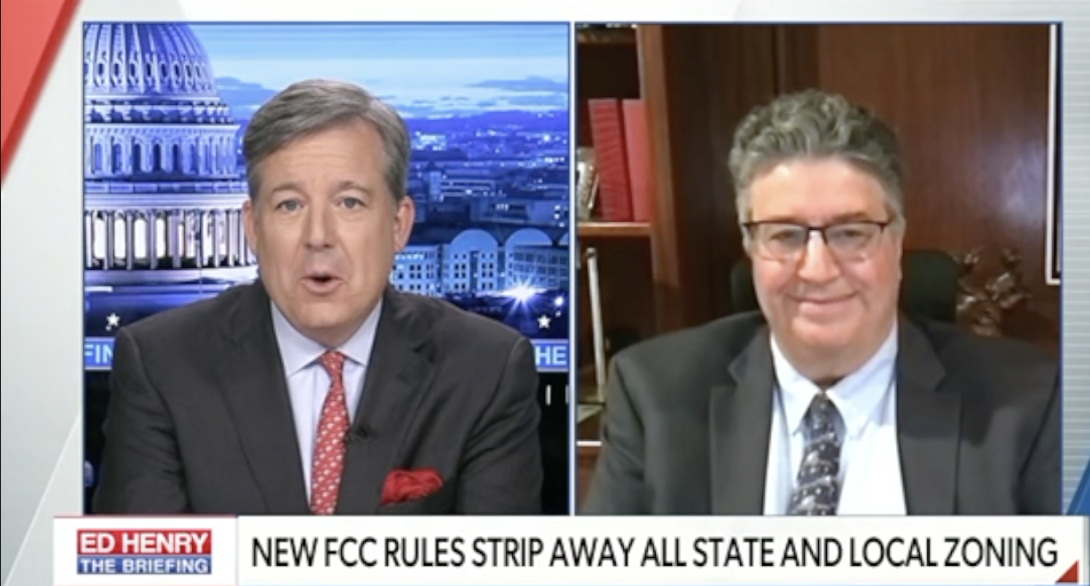
The FCC is Overstepping Its Authority - FCC Seeks to Erode State and Local Zoning Control Over Cell Tower Siting — Attorney Berg Interviewed by Ed Henry
The FCC adopted a Notice of Proposed Rulemaking ("NPRM") (WT Docket No. 25-276) on September 30, 2025. The NPRM was published in the Federal Register on December 1, 2025. Comments to the NPRM due on December 31, 2025. Reply comments are due on January 15, 2025. Comments can be submitted through the FCC's electronic comment filing system.
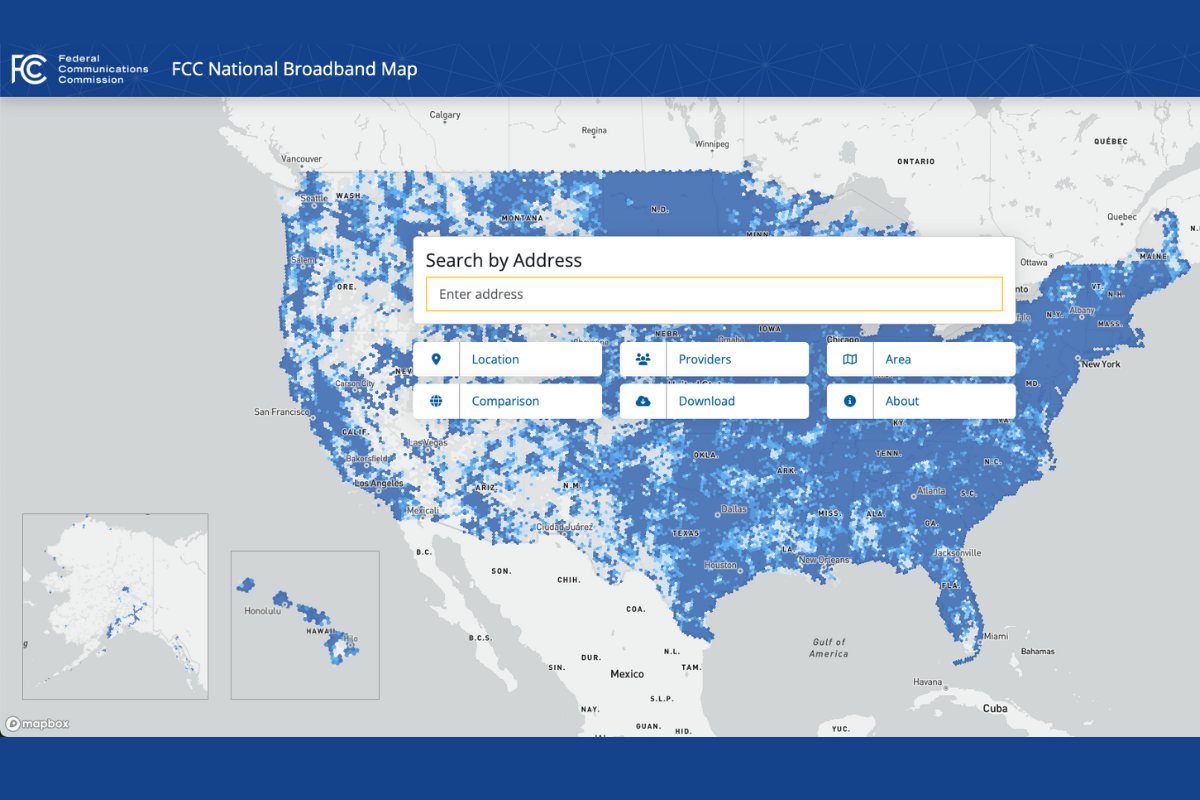
The purpose of 25-276 is to severely erode local control over the siting of wireless telecommunications equipment buildouts, particularly macro cell towers. Sadly, the FCC views local governments as burdensome impediments to wireless infrastructure deployment. Meanwhile, the vast majority of populated areas in the United States already have 100% wireless coverage and are inundated with cell towers and wireless antennas (as evidenced by the FCC's National Broadband Map). So, clearly, local governments can't be much of an impediment!
Watch Attorney Robert Berg’s interview on the Ed Henry Show below to understand what’s at stake if the FCC succeeds in its quest to advance the business interests of the wireless telecommunications industry.
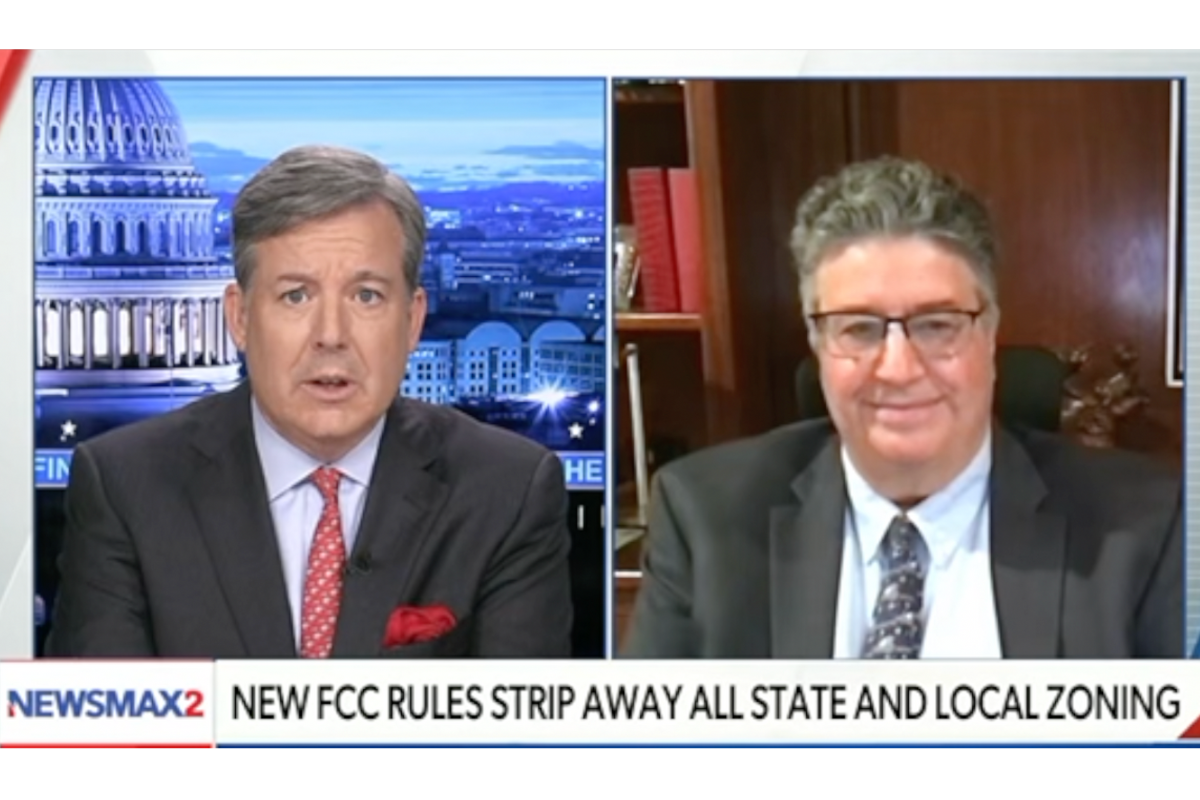
Cell Tower Developers ‘Lying’ About Coverage Gaps to Push New Towers, Lawyer Says
The FCC National Broadband Map is a free, publicly-available tool that depicts available cell coverage down to the street address level anywhere in the United States.
On September 18, 2025, Dr. Suzanne Burdock published an article in The Defender titled, “Cell Tower Developers ‘Lying About Coverage Gaps to Push New Towers,’ Lawyer Says.” The attorney referenced in the article is telecommunications lawyer Robert Berg.
As Berg explains in the article, cell tower developers frequently claim that new wireless facilities are necessary to address alleged coverage gaps—even in areas where service is already robust. However, the Federal Communications Commission’s (FCC) National Broadband Map provides detailed, real-world service data and often shows that proposed tower sites already have adequate coverage. Rather than relying on this authoritative data, developers commonly submit their own computer-generated, theoretical radio-frequency propagation maps, which can exaggerate or misrepresent coverage gaps in order to obtain local permits and approvals.
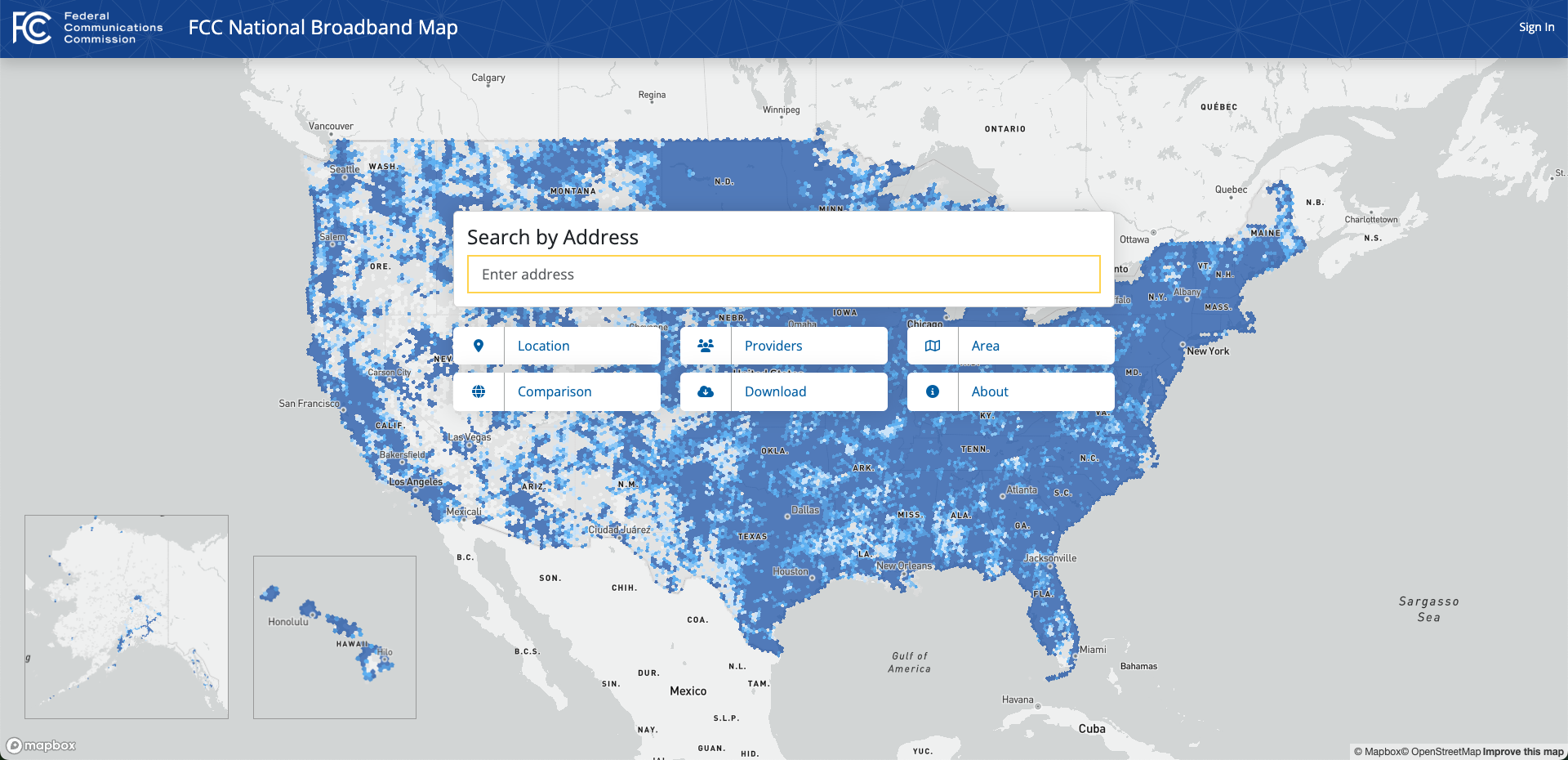
The FCC National Broadband Map is a free, publicly-available tool that depicts wireless coverage (down to the street-level address) anywhere in the United States.
San Cristobal, New Mexico Cell Tower Victory Draws Growing Media Attention
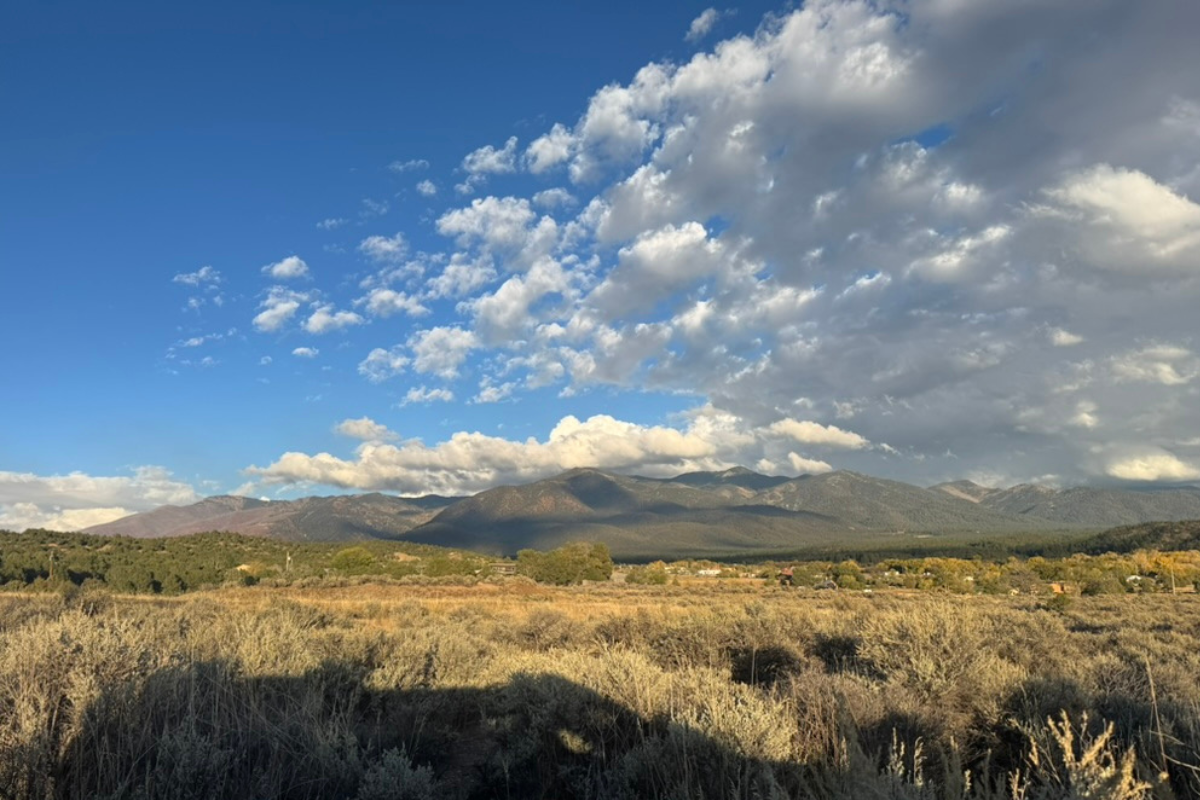
The area near the proposed 195-foot cell tower in San Cristobal, New Mexico. Photo taken on October 14, 2025.
Journalist and researcher Suzanne Burdick, PhD of The Defender published a powerful piece highlighting our latest success: the defeat of a proposed 195-foot cell tower in San Cristobal, New Mexico.
This victory, made possible because of a spectacularly dedicated, highly organized group of local residents, protects a truly pristine landscape from industrial intrusion. The proposed tower would have permanently altered the enchanted character of the San Cristobal Valley, devalued property values, marred scenic views, and irreversibly damaged wildlife.
We’re proud to see this important win gaining national attention. The Defender’s coverage not only underscores the significance of protecting rural communities from unchecked infrastructure development, but it also amplifies the voices of those fighting for environmental integrity and local sovereignty.
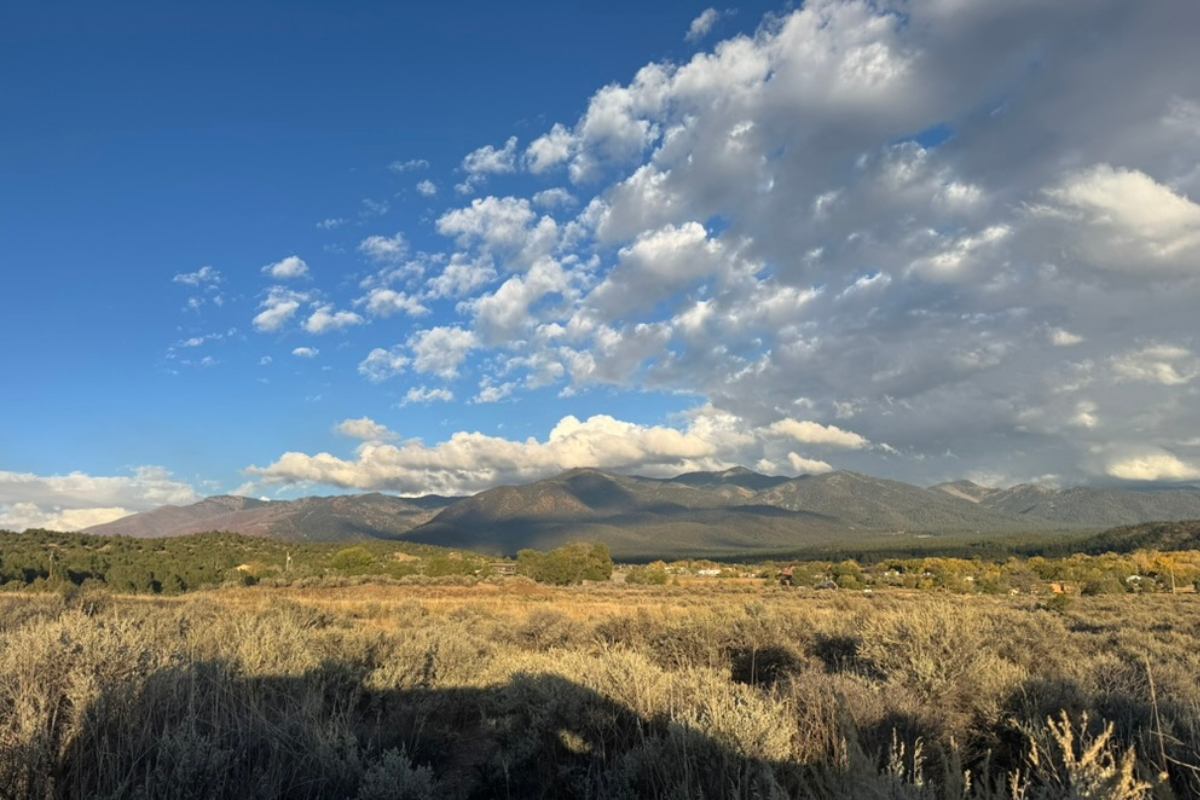
Photo of San Cristobal, New Mexico near the proposed cell tower installation site. Photo taken on October 14, 2025.

Ridiculous 195-Foot Cell Tower Proposal Defeated in San Cristobal, NM
On October 15, 2025, after a seven hour appeal/de novo hearing before the Taos County Board of Commissioners, the Commissioners overturned the Taos County Planning Commission's decision granting a permit for a horrific 195-foot tall macro tower that would have despoiled one of the most pristine, beautiful valleys remaining in New Mexico. This was a very gratifying win for the Robert J. Berg legal team and the remarkable, tiny community of San Cristobal, NM which mobilized all their resources over an extremely short time span.
After a seven-hour appeal/de novo hearing, the Robert J. Berg legal team, Dr. Kent Chamberlin, and the San Cristobal community came together to successfully protect one of the most pristine, beautiful valleys remaining in New Mexico.
Read about our latest legal victory in the Taos News here!